
Scio Blog
Insights for CTOs and engineering leaders managing software teams, AI adoption, and modernization decisions. Practical thinking on nearshore development, technical debt, and scaling engineering organizations, from a team that has been building and integrating software for U.S. companies for over 20 years.

Agile Project Initiation
If you search on the Internet for "agile project initiation" you are going to find a LOT of templates. People want structure and easy answers, so of...

Successful Software Development Outsourcing
As a provider of nearshore successful software development services, Scio has a proprietary interest in assuring the success of our customers'...

Software Development Company: When to Hire Outside Your Team
Hiring a software development company is not always obvious. See 7 clear signals that it is time to bring in outside engineering expertise and what to look for.
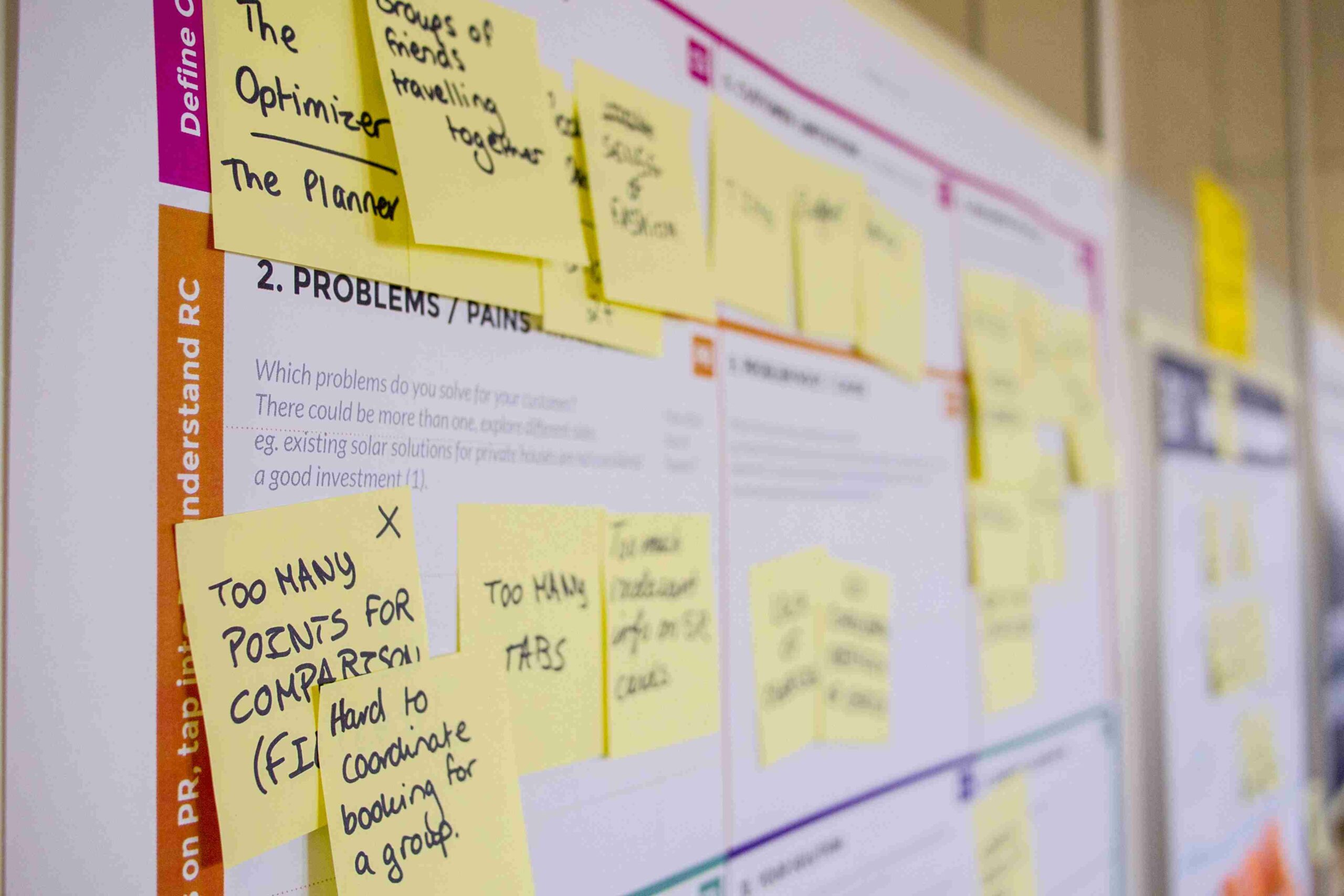
Responsibilities of an Agile Software Development Manager
When we hear the word “agile,” the first thing that comes into our mind is the quick ability to respond to change. This skill is crucial, especially...

The 8 Advantages of Custom Software Development
To keep up with evolving technologies and operate more efficiently, businesses now require software applications. While some companies acquire...
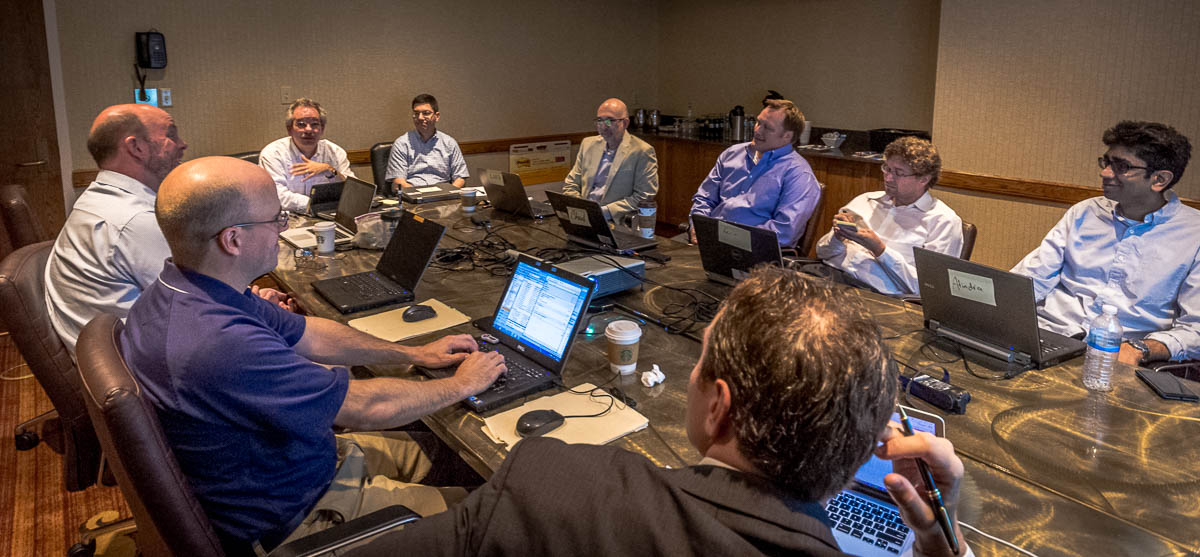
What Do You Need? A Software Development Team? Or an Engineering Team?
Of course, the first question for anyone looking at this is - what is the difference? Let’s start by saying that we’re not speaking...

Dedicated Team Rotation: 5 Factors Leaders Must Plan
Dedicated team rotation sounds risky but may prevent bigger problems. See 5 key factors engineering leaders must plan before changing a team member.
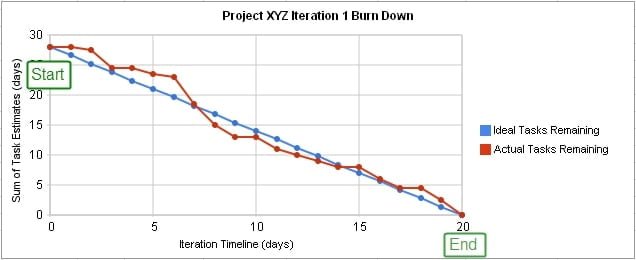
Measuring Performance & Productivity in Software Development Teams
Work is always measured in some way. If you are doing repetitive work, the tendency is to measure the number of repetitions, like the pounds of...

Offshore Outsourcing Problems: 5 Concerns CTOs Miss
Offshore outsourcing problems go beyond price. See 5 real concerns including communication, time zones, and culture that drive most project failures.