Preventing Burnout Before It Happens: Human Practices That Work

Preventing Burnout Before It Happens: Human Practices That Work

By Isleen Hernández, Human Capital Administrator at Scio
Keyboard key labeled “Stop Burnout” being pressed, representing early detection and prevention of burnout in software teams.

Burnout rarely announces itself loudly. It doesn’t arrive with warning lights or a sudden crisis. It starts quietly, little signs people often dismiss because “the sprint still has to finish,” or “the client needs this now,” or “I’ll rest after this delivery.”

In tech, especially in software development, it’s easy for work to speed up faster than people can catch their breath. Priorities shift. Roadmaps change. Urgent tasks stack on top of existing commitments. And because engineers tend to take pride in solving problems, many push through stress until it turns into something far heavier.

Working in Human Capital and IT recruitment, I see the patterns every day. Burnout is not about one moment. It’s the accumulation of unspoken pressures, quiet worries, and invisible overcommitment. And preventing it requires more than a workshop or a wellness email. It requires a culture that listens, a culture that pays attention, a culture that treats people as human beings with rhythms, limits, and emotions, not just contributors to velocity.

At Scio, we’ve learned that the best prevention happens long before someone feels overwhelmed. Here are the practices that help us detect burnout early and support people in ways that truly matter.

1. Touchpoints That Put People First

Touchpoints at Scio aren’t status updates. They aren’t checklists or performance reviews. They’re conversations—simple, honest, human conversations.

Once a month, we sit down with each team member and talk about things that matter beyond the backlog:

  • How they’re feeling about the project.
  • Whether they feel supported by their team.
  • What’s energizing them right now.
  • What’s draining their motivation.
  • What they wish they had more of—or less of.

This is where people open up about the things they rarely share in standups or sprint reviews. Maybe the project has shifted direction three times in one quarter. Maybe a developer is juggling demanding work with personal responsibilities at home. Maybe they’re doing great technically but quietly losing joy in the work.

Touchpoints help us see the early indicators—the subtle changes in tone, the hesitation, the “I’m okay” that really means “I’m tired but I don’t want to bother anyone.”

When conversations are consistent, safe, and predictable, people become more honest. And when they’re honest, burnout stops being a hidden threat and becomes something we can address together.

2. Flexibility That Supports Real Well-Being

Flexibility is often advertised as a job perk. At Scio, it’s simply how we work—because people don’t live on a fixed schedule. Energy rises and falls. Some days require full focus; others require breathing room. Life doesn’t pause when work gets busy.

Giving people the freedom to adjust their rhythm is one of the most effective burnout prevention tools we have.

And most importantly, being transparent about capacity so workloads stay healthy.

When people feel trusted to manage their own time, they don’t push themselves to breaking points. They communicate earlier. They rest before exhaustion hits. They find a sustainable pace that benefits both them and the team.

Flexibility isn’t about working less—it’s about working humanly.

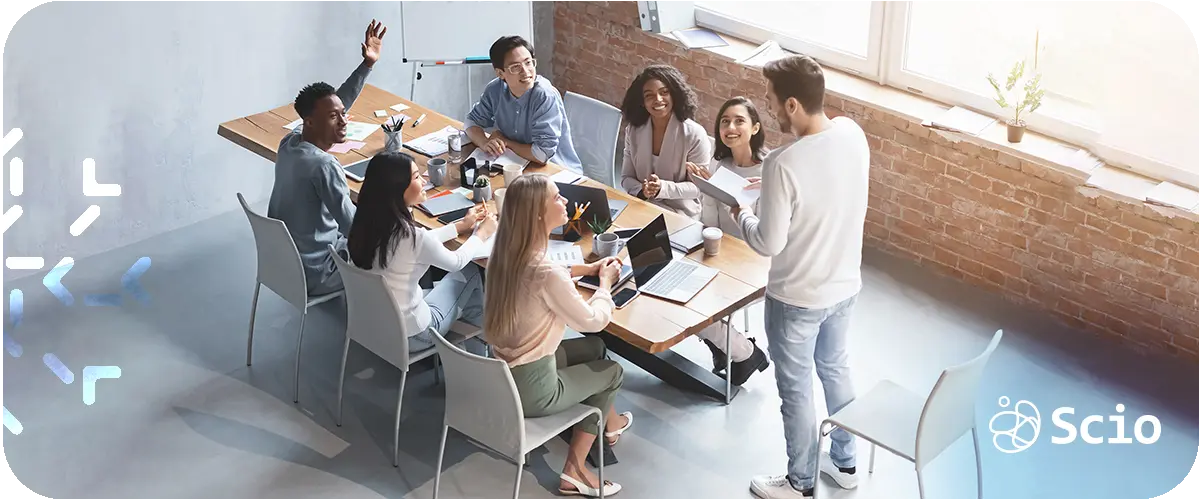
Software team collaborating inside a modern office, showing how Agile teamwork helps prevent burnout and supports healthier engineering teams.
Agile done right protects the team — not just delivery dates.

3. Agile as a Tool to Protect the Team

Agile is often treated as a delivery method—ceremonies, boards, sprints. But when used with intention, Agile becomes one of the strongest shields against burnout.

The goal isn’t to hit velocity at all costs. It’s to keep the team healthy enough to deliver consistently without sacrificing well-being.

Here’s how Agile supports that:

Daily Standups Reveal Energy, Not Just Tasks

In a two-minute update, you can hear more than progress. You can hear hesitation, fatigue, frustration, overwhelm.
Those signals matter.

A good standup creates space to say:
“I need help,”
“I’m stuck,”
or “Today might not be my most productive day.”

Shared Responsibility Prevents Isolation

In healthy Agile teams, no one carries the sprint alone.
If someone is overloaded, we redistribute tasks, adjust commitments, or split stories into smaller pieces.
The point is not to “push through”—it’s to adapt as a team.

Planning + Prioritization Reduce Noise

Clear priorities reduce anxiety. When the team knows what matters most, and what can wait, the sprint becomes more predictable and manageable.

Retros Build Psychological Safety

A retro where people speak honestly is a retro that prevents burnout.
It’s the moment when the team can say:

  • “This pace isn’t sustainable.”
  • “We need more clarity.”
  • “We’re doing too much context switching.”
  • “The meetings are draining us.”

Agile isn’t just a workflow—it’s an early warning system.
It surfaces stress before it becomes exhaustion.

Before diving into how we respond to burnout signals, it’s worth highlighting a simple truth: Agile can either protect a team’s well-being or quietly drain it. It all depends on how it’s practiced. The table below breaks down the difference between healthy Agile habits and the patterns that unintentionally create burnout.

How Agile Habits Impact Burnout Risk in Software Teams
Healthy Agile (Protects the Team)
Unhealthy Agile (Creates Burnout)
Impact on the Team
Standups used for clarity and support. The team discusses blockers, workload, and energy honestly. Standups used as micromanagement or pressure. Team members report defensively. Lower stress, safe space to ask for help, and real visibility into emotional and technical state.
Sprint planning based on real capacity, including energy, time off, and cognitive load. Sprint planning ignores overload or fatigue. Commitments are made “because we must.” Sustainable sprints, more consistent delivery, and less after-hours work.
Clear priorities and noise filtered by the PO. The team knows what matters most. Constant changes without recalibrating the sprint. Urgent requests break the workflow. Better focus, less context switching, and higher morale.
Honest retros where people speak freely about rhythm, friction, and emotional load. Retros are rushed, avoided, or treated as a formality. Issues repeat every sprint. Real continuous improvement, stronger cohesion, and early burnout detection.
Timeboxed meetings with clear purpose, leaving room for deep work. Endless or unfocused meetings that drain energy early in the day. More time for deep work, less cognitive fatigue, and stable productivity.
Small, well-defined user stories that allow visible, frequent progress. Oversized or ambiguous stories that create bottlenecks. Higher sense of accomplishment, fewer hidden stress points, and more clarity.
Shared responsibility — load is redistributed when someone struggles. “Everyone handles their own” mindset, leading to silent overload and isolation. Better collaboration, fairer distribution, and more resilient teams.
Leaders protect the long-term pace and avoid constant urgency. Leaders push speed above everything; every sprint feels like a race. Sustainable pace, lower turnover, less burnout, and stronger long-term performance.

4. When Someone Shows Signs of Burnout

Even with strong prevention, burnout signals may still appear. That’s normal. People have limits, and sometimes work or life becomes heavier than expected. But once the signs appear, the most human response is the most effective one.

Reach Out With Curiosity, Not Assumptions

A simple “How are you really doing?” opens doors that a metrics dashboard never will.
Listening without judgment is the first step to helping someone recover.

Encourage Rest—No Guilt Attached

Sometimes what a person needs most is space:

  • A lighter sprint.
  • Fewer meetings.
  • Redistributed tasks.
  • A short break to recharge.

Rest isn’t a luxury. It’s part of staying healthy enough to do great work.

Reconnect as Humans, Not Roles

A quick coffee chat, a team joke, or a small moment of connection can reset energy more than we expect. People don’t burn out because of work itself, they burn out when they feel alone in it.

Address the Root Causes Together

Burnout is rarely solved by taking one day off.
It requires:

  • Better workload balance.
  • Clearer communication.
  • Reduced interruptions.
  • More predictable rhythms.

When the team works together to fix what caused the stress, recovery becomes real—not temporary.

Hands gently protecting wooden team figures, symbolizing long-term burnout prevention and care for engineering teams.
Strong teams last longer when their well-being is protected, not assumed.

5. The Long-Term View: What Prevention Actually Looks Like

Preventing burnout isn’t about being soft.
It’s about being smart.

Teams that take care of their people produce better work, make fewer mistakes, and stay together longer.
Developers who feel valued communicate earlier, collaborate more openly, and shut down fewer opportunities out of exhaustion.

From a leadership perspective, the return is obvious:

  • Lower turnover
  • Higher project stability
  • Better morale
  • More creative problem-solving
  • Stronger client relationships

Burnout prevention isn’t an HR project—it’s an engineering advantage.

6. What Makes Scio’s Approach Work

After years of working with engineers, project managers, and tech leaders, I’ve realized something simple.
Burnout prevention is much easier when people feel seen.

What makes Scio different, and what our teams say again and again, is that our approach isn’t theoretical. It’s built into how we work every day:

  • Touchpoints that focus on people, not performance.
  • Flexibility that treats adults like adults.
  • Agile practices that protect—not exhaust—the team.
  • Human responses to stress, grounded in empathy and trust.

We don’t wait for problems to become crises.
We look for them early.
We talk about them honestly.
And we fix them together.

Because great work doesn’t come from pressure—it comes from people who feel supported, balanced, and valued.

Final Thoughts

Burnout prevention doesn’t require complex programs or trendy wellness initiatives.
It requires consistency, listening, and human care. The practices that work are the ones that stay simple and real. Regular conversations, flexible rhythms, intentional Agile practices, and teams that look out for one another.

At Scio, these are the habits that help us keep our teams engaged, balanced, and performing at their best, without sacrificing the human side of the work.

Because software gets better when people feel better. And great engineering comes from people who are supported, not pressured.

Isleen Hernández

Isleen Hernández

Human Capital Administrator

Remote Hiring Red Flags: Why Vetting Matters  

Remote Hiring Red Flags: Why Vetting Matters  

By Rod Aburto
Remote hiring risk signals shown during an online interview, including mismatched identity and flagged resume issues
In the past five years, remote work has gone from niche to norm. For software development, it’s now almost expected: your team could be spread across five countries, three time zones, and two hemispheres—and still ship code daily. But there’s a dark side to this flexibility. As more companies lean into remote hiring—whether through freelance marketplaces, staff augmentation vendors, or direct sourcing—one nagging question keeps coming up: “How do I know this person is really who they say they are?” It sounds dramatic, but it’s a real concern:
  • Faked résumés
  • Proxy interviews
  • Inconsistent skill levels
  • Developers ghosting after onboarding
  • Communication breakdowns
And worst of all… bad code wrapped in good intentions This blog post is a deep dive into those concerns around hiring remote developers, the real risks they pose to your team, and the value of partnering with a trusted company to help you build a strong, reliable, and culturally aligned development team.

Chapter 1: The Rise of Remote Hiring—And the Trust Problem

Let’s face it—remote development is here to stay.
  • Global access to talent
  • Lower operational costs
  • Diversity of thought and experience
  • 24/7 development cycles
But it comes with an elephant in the Zoom room: Can I trust the person I’m hiring? When you can’t meet someone in person, observe their work habits directly, or even guarantee they’re the one typing during a technical interview, the hiring process becomes more of a leap of faith than a data-driven decision. This leads to understandable anxiety for hiring managers:
  • “Did they really build that project on their résumé?”
  • “Are they copy-pasting from ChatGPT or Stack Overflow without understanding?”
  • “Will they ghost us after a week?”
  • “Can they work within our team dynamics, not just crank out code?”
Remote hiring isn’t just a staffing issue. It’s a trust issue.

Chapter 2: The Hidden Risks of Unvetted Remote Developers

Hiring a bad developer is always costly—but doing it remotely? That’s a recipe for disaster. Let’s break down the real risks you’re facing.

Identity Fraud and Proxy Interviews:

This is more common than you’d think. A candidate interviews well—maybe too well—and nails your coding test. But once hired, the quality drops off a cliff. Why? Because the person who interviewed isn’t the one doing the work. Fake candidates, shadow developers, and third-party “helpers” are a growing problem—especially when working through platforms that prioritize speed over integrity.

Skill Misrepresentation

It’s one thing to exaggerate on a résumé. It’s another to completely fabricate experience. From copy-pasted portfolios to inflated project descriptions, many remote candidates look great on paper—but can’t deliver in practice. As a hiring manager, your only real defense is deep vetting—and most companies aren’t equipped to do that remotely, at scale.

Time Zone and Communication Misalignment

Even if you find someone technically solid, mismatched communication styles, lagging time zones, and lack of cultural context can grind collaboration to a halt.
  • Standups feel like status reports, not team check-ins
  • Questions go unanswered for hours
  • Deadlines slip because expectations weren’t aligned
You don’t just need coders. You need collaborators who get your culture and communication rhythm.

Flaky Freelancers and Attrition

Without strong engagement models, developers may vanish—literally. They get a better offer, ghost your PM, and leave your project mid-sprint. Or they burn out because they weren’t set up for success. A bad remote hire doesn’t just slow your roadmap—it can destabilize your entire team.
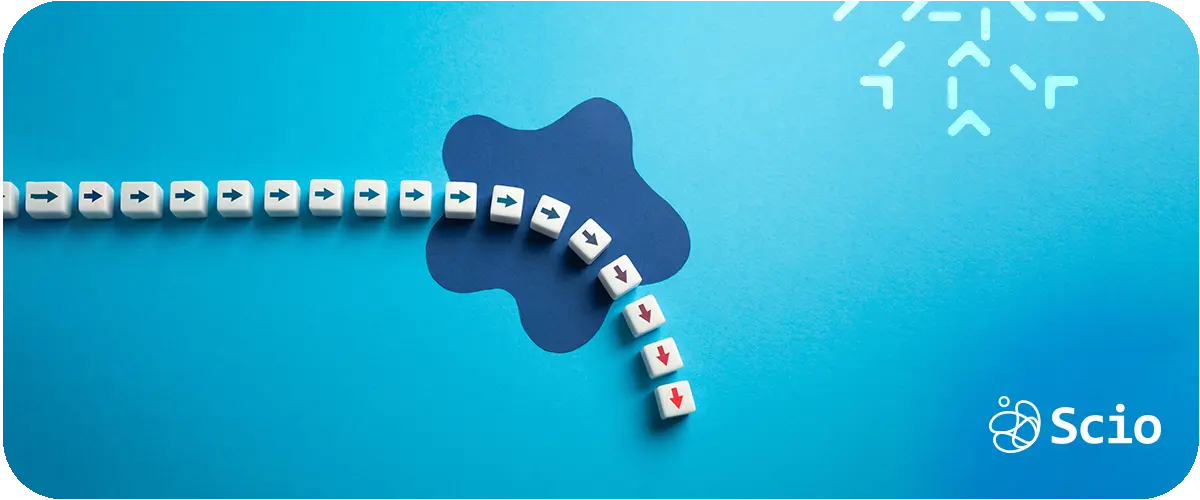
A chain of dominoes illustrates how a single bad remote hire can create cascading delays, unexpected rework, and long-term productivity loss within an engineering team.
Domino Effect of Bad Remote Hiring — A chain of falling dominoes illustrates how a single bad remote hire can create cascading delays, unexpected rework, and long-term productivity loss within an engineering team.

Chapter 3: The True Cost of a Bad Remote Hire

Let’s talk numbers.
Time Wasted
  • 10–15 hours to source, interview, and onboard
  • 4–6 weeks of ramp-up before you realize it’s not working
  • Even more time spent offboarding and restarting the process
Money Burned
  • Paid salary for weeks or months
  • Wasted project hours
  • Lost opportunity cost from missed deadlines
Team Frustration
  • Review fatigue from bad code
  • Loss of trust in leadership
  • Morale dip when projects stall or rework piles up
A bad hire can cost tens of thousands of dollars—but even more importantly, it costs momentum. That’s why vetted remote developers aren’t just “nice to have.” They’re a business necessity.

Chapter 4: What Makes a Developer “Vetted”

At Scio, we’ve spent the last 20 years refining our definition of a “ready-to-join” developer. Here’s what that means to us—and to the companies we partner with.
Verified Identity and Experience
  • Interviews conducted by our internal senior engineers
  • Code samples and live problem-solving sessions
  • Deep dives into past projects with real-world context checks
Technical Skill Assessment
  • Language- and framework-specific challenges
  • Real-time coding interviews
  • Peer code review simulation
Communication Proficiency
  • English fluency assessments
  • Cultural compatibility screenings
  • Agile ceremonies simulation
Collaboration Mindset
  • Evaluated for proactivity, feedback handling, and team dynamics
  • Familiar with remote tools (Jira, Git, Slack, etc.)
  • Comfortable with async and synchronous workflows
Long-Term Fit
  • No freelancers looking for short gigs
  • Full-time team players
  • Backed by Scio’s ongoing support, HR, and learning ecosystem
Choosing vetted engineers protects your team’s momentum—and ensures every new hire helps you move faster, not slower.
A collaborative nearshore engineering team working together, capturing Scio’s focus on communication, cultural alignment, and long-term partnership instead of short-term staffing.
Strategic Nearshore Partnership — A collaborative nearshore engineering team, focused on communication, cultural alignment, and long-term partnership, contrasting the short-term staff augmentation approach.

Chapter 5: Why Scio Consulting is a Trusted Nearshore Partner

Hiring great developers isn’t just about filtering résumés. It’s about having a system—and a culture—that consistently produces success. Here’s how Scio does it differently.
Nearshore Advantage
Our developers are based in Mexico and Latin America, offering:
  • Shared or overlapping time zones
  • Strong English communication
  • Familiarity with U.S. work culture
  • Travel-friendly proximity if needed
In-Depth Vetting Process
Every developer undergoes a multi-stage selection process that includes:
  • Soft skill and communication evaluation
  • Technical assessments aligned to your stack
  • Live interviews and pair programming sessions
We don’t just send résumés. We send people we’d hire ourselves.
Cultural Fit and Retention
We build long-term relationships—not body shop rosters. That means:
  • Developers are committed to your product and your team
  • Low attrition thanks to strong engagement
  • Ongoing growth plans and mentorship to keep motivation high
Seamless Augmentation, Not Disruption
Scio developers are trained to integrate into your existing team, not work in a silo. They join your standups, adopt your tools, and match your delivery style. You get full team members, not external resources.

Chapter 6: How to Evaluate a Remote Talent Partner

Not all staff augmentation firms are created equal. Here’s how to vet your vendor.
Questions to Ask
  • How do you assess both technical and communication skills?
  • Can I see examples of the candidate’s previous work?
  • How do you ensure cultural compatibility?
  • What happens if a developer isn’t working out?
  • Do you provide post-placement support and mentorship?
Red Flags
  • “We can get you someone in 24 hours” (that’s speed, not vetting)
  • No clear evaluation framework
  • Generic resumes with no context
  • Lack of transparency or willingness to iterate
What to Look For
  • A partner who listens
  • A process you can understand and trust
  • Developers you’d want to work with long-term
A strong remote partner should make your hiring decisions feel clearer, not riskier. When their process is transparent and their standards match your own, you gain more than a developer—you gain confidence that your team can scale without compromising on quality.
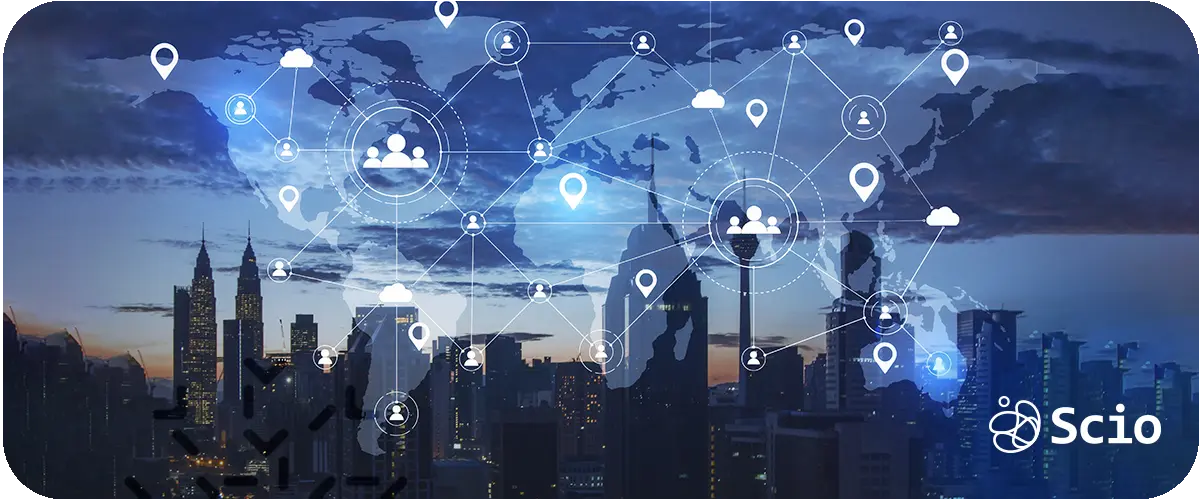
A global digital network over a city skyline, symbolizing the future of remote engineering and the importance of trust and strong vetting when building distributed teams.
The Future of Distributed Teams — A global network overlaying a city skyline, emphasizing the critical importance of trust, thorough vetting, and strong foundations when building successful remote engineering teams.

Conclusion: Build Smart. Hire Real.

Hiring remote developers is no longer a trend—it’s a core part of modern software development. But doing it right means facing the trust issue head-on. Don’t hire based on a résumé alone. Don’t rely on AI-written code samples or LinkedIn buzzwords. Hire real people. With real skills. Backed by real partnerships.

Scio Can Help

At Scio Consulting, we help software companies build high-performing, nearshore teams with vetted, fully integrated developers from Mexico and Latin America. Our engineers are more than coders—they’re collaborators, problem-solvers, and long-term contributors trained for remote success from day one.

If you’re looking to augment your development team with talent you can trust, let’s talk.

Rod Aburto

Rod Aburto

Nearshore Staffing Expert
Soft Skills in the Era of Nearshoring

Soft Skills in the Era of Nearshoring

By Isleen Hernández, Human Capital Administrator at Scio
Team of nearshore software developers in Mexico and the U.S. collaborating in a modern meeting room, discussing project strategy and communication flow.
In software development, we love precision. We talk about frameworks, architecture, and clean code as if perfection were just one pull request away. But anyone who’s ever worked on a complex project knows that success rarely depends only on code. It depends on people — on how well they communicate, how they adapt, how they handle feedback, and how they build trust over time.

That’s especially true in nearshore software development, where collaboration crosses borders. It’s not just about delivering features; it’s about building bridges between cultures, aligning goals, and keeping communication clear despite distance and time zones.

At Scio, we’ve spent more than 20 years helping U.S. tech leaders build high-performing engineering teams that are easy to work with. And if there’s one truth we’ve learned, it’s this: soft skills aren’t secondary — they’re what make nearshore partnerships succeed.

Why Soft Skills Matter in Nearshoring

Technical skills are the foundation of any engineering team. You need people who can design scalable systems, understand architecture trade-offs, and write efficient, maintainable code. But in a nearshore model, where collaboration happens across borders and expectations, those abilities are only half the equation.

Imagine this: a senior developer in Mexico is collaborating daily with a CTO in Austin. They’re aligned on goals but come from slightly different communication styles and work rhythms. The technical work is solid — the code runs, the architecture holds — but something feels off. Deadlines get blurry, feedback loops stretch longer than expected, and misunderstandings start to slow down progress.

What’s missing? Not technical skill. It’s empathy. It’s context awareness. It’s the ability to read between the lines in a Slack message and understand when to ask questions or clarify before assuming.

That’s where soft skills — communication, adaptability, and emotional intelligence — transform a project from “functional” to “fluid.” These skills allow teams to anticipate problems before they become blockers, align faster with clients, and maintain healthy collaboration even under pressure.

Digital world map with glowing puzzle pieces representing nearshore collaboration between Latin American engineers and U.S. companies.
A visual representation of how cultural alignment bridges communication gaps between LATAM developers and U.S. engineering teams.

The Nearshore Difference: Working Across Cultures

One of the biggest advantages of nearshoring is cultural proximity. Teams in Latin America share similar time zones and often a strong cultural alignment with U.S. companies. But that doesn’t mean communication happens automatically.

Each culture has its own approach to giving feedback, handling conflict, or expressing urgency. A U.S. manager might be very direct about what’s not working, while a developer in Mexico or Colombia might choose a more diplomatic route. Both are valid, but they need mutual understanding to meet in the middle.

At Scio, we see these cultural nuances as a strength — not a challenge. They encourage empathy, active listening, and flexibility. We train and mentor our developers not just to “speak English,” but to communicate effectively in the language of collaboration: clarity, respect, and curiosity.

How Soft Skills Shape Nearshore Success

Let’s be practical. What do soft skills actually look like in action?

They show up when a developer joins a new project and immediately builds rapport with the client. They appear when a team proactively identifies a potential risk in sprint planning and raises it early. Or when a lead engineer mediates between two viewpoints and finds common ground that strengthens the solution.

In nearshoring, soft skills create trust— and trust is what keeps distributed teams aligned even when things get messy.

Here are three ways soft skills make a measurable difference:

  • Communication turns collaboration into speed.
  • Clear communication shortens the distance between “idea” and “implementation.” It reduces rework, prevents bottlenecks, and ensures everyone’s expectations are aligned.

  • Empathy builds loyalty.
  • When clients feel understood, they stay. Developers who listen deeply and see beyond the code build relationships that last for years.

  • Adaptability drives consistency.
  • Every project evolves. A team that can adjust priorities, learn new tools, and stay calm during pivots becomes an invaluable partner — not just a vendor.

Behind every successful nearshore collaboration, there’s trust — and trust is born from human connection. That’s why at Scio, we invest as much in people as we do in technology.

A Culture Built on Collaboration and Mentorship

At Scio, collaboration isn’t a buzzword; it’s a habit. From onboarding to delivery, we cultivate an environment where people grow together instead of competing. We believe the best developers aren’t those who know everything — they’re the ones who keep learning, sharing, and mentoring others.

Every new team member is paired with a mentor who helps them not only with technical onboarding but also with real-world scenarios:

  • How to communicate project blockers early.
  • How to manage feedback loops with clients.
  • How to handle cultural differences gracefully.

Mentorship flows both ways — senior developers often learn fresh perspectives from newer team members, especially about emerging technologies or communication styles that resonate with younger generations. This exchange keeps our teams dynamic, adaptable, and aligned with client needs.

When developers feel supported, they bring their best selves to the work. And that’s what clients feel on the other side: teams that are engaged, proactive, and easy to collaborate with.

Person arranging wooden blocks labeled “Training” and “Professional”, symbolizing Scio’s Seniority Matrix and its structured developer growth framework.
Scio’s Seniority Matrix helps developers measure both technical and interpersonal growth, turning soft skills into tangible professional milestones.

The Seniority Matrix: Turning Growth into a Roadmap

To make professional development more structured, Scio uses its Seniority Matrix — an internal framework that maps both technical growth and interpersonal development.

Traditional career ladders often reward technical mastery alone. But at Scio, growing as a professional means growing as a communicator, mentor, and teammate.

For example, as developers move from mid-level to senior roles, the expectations evolve:

  • They lead meetings with confidence and clarity.
  • They give feedback that’s constructive and respectful.
  • They anticipate client needs and communicate proactively.
  • They support others, sharing lessons from real challenges.

This model ensures that “seniority” isn’t just about years of experience — it’s about maturity in how one works with others.

In a way, the Seniority Matrix turns soft skills into something measurable. It gives every Scio developer a roadmap that combines technical and human growth, preparing them for leadership in distributed environments.

Comparison: Technical vs. Soft Skills in Nearshore Teams

Here’s a simple breakdown that reflects what we’ve learned after two decades of nearshore collaboration:

Aspect
Technical Skills
Soft Skills
Focus Programming languages, frameworks, architecture Communication, empathy, adaptability
Measurement Code quality, performance, delivery speed Feedback handling, collaboration, client trust
Impact on Nearshore Projects Ensures technical execution and product reliability Drives cultural alignment and long-term partnership success
Development Time Improves through training and exposure to projects Grows through mentorship, communication, and lived experience
Result for Clients Reliable product delivery Seamless collaboration and higher satisfaction
When both columns are balanced, teams perform at their peak. But when one is missing — especially soft skills — the partnership struggles, even if the code is flawless.

The Human Factor Behind High-Performing Teams

Senior developers know that no amount of code automation or AI-assisted tooling replaces the human factor. A well-functioning team isn’t just a collection of smart people; it’s a network of trust.

In distributed environments, that trust doesn’t appear overnight. It’s built in daily standups, in transparent feedback sessions, and in the willingness to admit mistakes early.

At Scio, we often say: technical excellence delivers results, but human excellence sustains them.
That’s why our teams aren’t assembled only for speed — they’re built for partnership.

When a developer knows how to explain trade-offs clearly, listen to a client’s frustration with empathy, and suggest practical solutions, that developer becomes indispensable. Those are the people who make collaboration with Scio “feel different” — smoother, faster, more human.

Hands connecting a luminous puzzle piece, symbolizing trust, alignment, and partnership in nearshore software development.
Strong nearshore partnerships are built on trust, transparency, and shared goals — not just on technical skill or cost efficiency.

From Vendors to Partners

The global nearshore market is crowded. Many companies promise efficiency, cost reduction, or access to top-tier talent. But clients who stay with Scio for years tell us that what keeps them coming back isn’t just quality or price — it’s the relationship.

They know our engineers are not just executors but partners who understand their business and anticipate their challenges. They feel the difference in communication, in the consistency of delivery, and in the transparency of our collaboration.

That’s what soft skills make possible. They bridge the gap between doing the work and owning the outcome.

When clients say, “Scio is easy to work with,” that’s the highest compliment we can receive — because it means our people have mastered not only technology, but also the art of human connection.

For a closer look at how strong communication and collaboration can define project success, explore our story on communication and collaboration in software projects— a real example of how Scio turns soft skills into measurable outcomes.

Conclusion: The Competitive Edge That’s Hard to Automate

In a world where AI can write code, integrate APIs, and automate testing, what remains uniquely human? The ability to connect. To communicate ideas clearly. To navigate ambiguity with patience. To inspire confidence when things go off-script.

That’s why soft skills have become the most valuable currency in nearshore collaboration. They can’t be faked, automated, or outsourced — they’re earned through experience, empathy, and consistent communication.

At Scio, we’ll continue to nurture these qualities because we know they are the foundation of everything else we do.

Great code builds software.
But great people — empathetic, communicative, collaborative people — build partnerships that last.

And that’s what makes Scio’s teams stand out in the era of nearshoring.

As Harvard Business School explains in “Why Soft Skills Still Matter in the Age of AI”, mastering communication, critical thinking and empathy is now even more crucial than many purely technical competencies — especially in collaborative, distributed teams.

FAQs: The Power of Soft Skills in Nearshoring Success

  • Soft skills transform the nearshoring model from a transactional service into a long-term partnership. While technical skills ensure execution, empathy, clear communication, and adaptability are required to bridge cultural gaps, align expectations, and build the trust that sustains high-performing distributed teams in regions like Mexico and LATAM.

  • Scio uses a proprietary Seniority Matrix that makes human growth measurable. It evaluates developers not just on code, but on maturity in communication, client rapport, and mentorship. Every team member receives personalized mentorship to practice real-world scenarios, ensuring they are proactive, empathetic, and resilient collaborators.

  • A balanced team achieves maximum speed by reducing waste. Technical skills ensure code quality, but clear communication (a soft skill) shortens feedback loops, prevents bottlenecks, and reduces rework. This balance ensures seamless collaboration and faster implementation, leading to higher client satisfaction.

  • Nearshoring to regions like LATAM offers crucial cultural proximity and time zone alignment with U.S. clients. This close fit minimizes scheduling friction and fosters a base level of understanding. By investing in soft skill training, Scio maximizes this advantage, ensuring engineers communicate respectfully and proactively, becoming indispensable strategic partners rather than just vendors.

Isleen Hernández

Isleen Hernández

Human Capital Administrator