What Will Software Development Companies Do to Enhance Developer Experience in 2025? 

What Will Software Development Companies Do to Enhance Developer Experience in 2025? 

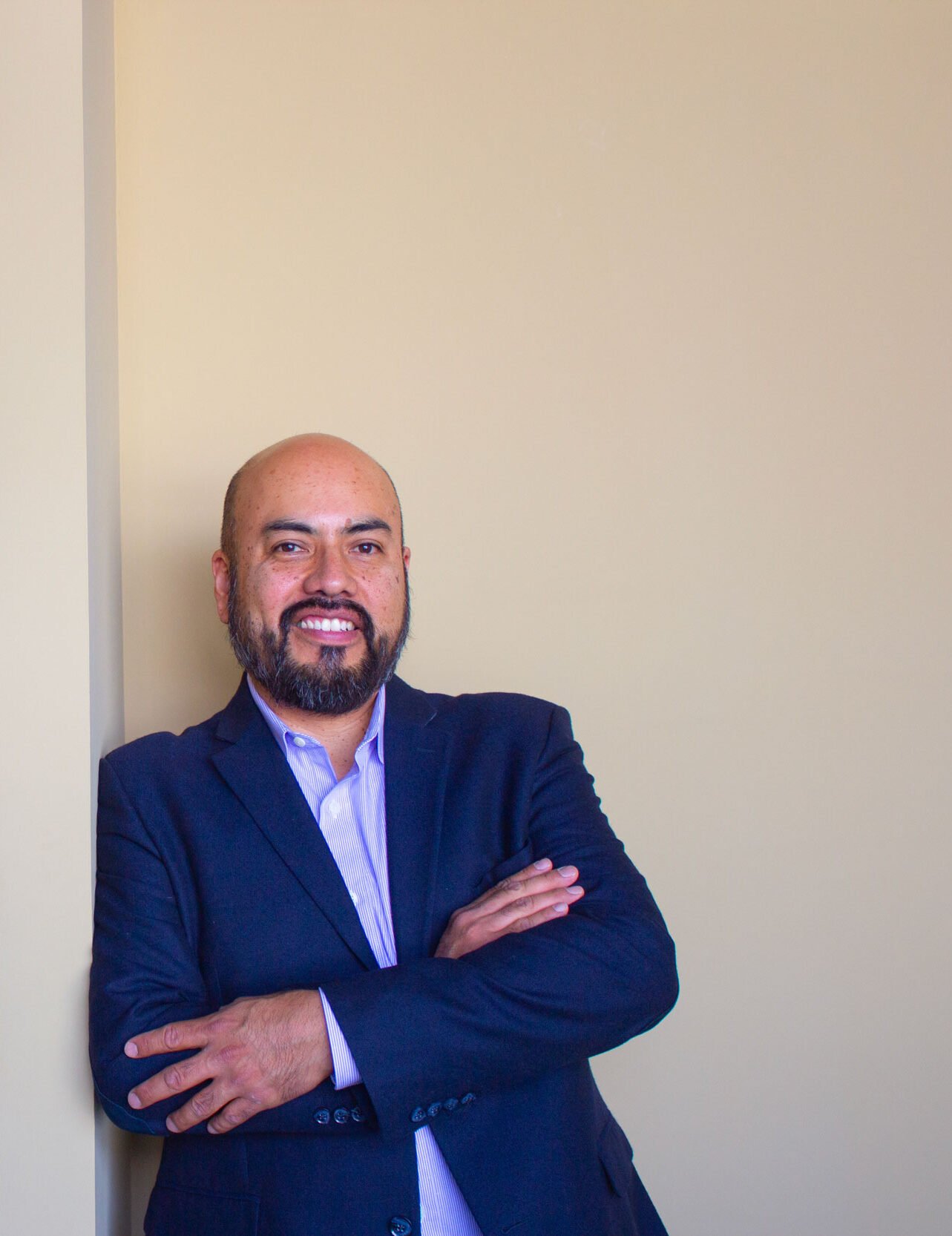
Written by: Rod Aburto 
Software developers collaborating at a workstation, representing modern developer experience and team collaboration

Introduction: The New DX Mandate for Modern Engineering Teams

Developer Experience has shifted from a “nice to have” to a strategic requirement for engineering organizations that want to stay competitive. As expectations rise across the industry, leaders are recognizing that DX is not only about tools and workflows, but also about the environment that surrounds developers every day. In 2025, DX will be shaped by how well companies support human connection, reduce friction in engineering work, and create a culture where developers can grow without burning out. Engineering leaders across the United States are facing increased pressure to deliver predictable outcomes with distributed teams that operate across time zones. Nearshore partners, hybrid squads, and cross-functional collaboration have become the norm. This shift reinforces the need for clear communication, supportive processes, and engineering cultures that genuinely help people do their best work. The trend of “Coffee Badging,” the adoption of AI-assisted engineering, the rise of mixed-reality collaboration, and new approaches to career development offer a glimpse into how organizations will strengthen DX in 2025. These practices share a common goal: creating conditions where developers can focus, collaborate smoothly, feel supported, and contribute to meaningful work. This article breaks down the six areas where software development companies will invest the most as they commit to a more intentional Developer Experience.
Engineering team having informal conversations, representing coffee badging and social connection in distributed teams
Informal conversations help distributed engineering teams build trust beyond tickets and sprint goals.

1. Adopting the Coffee Badging Strategy

Coffee Badging has emerged as an unexpected but effective way to strengthen team cohesion inside distributed engineering organizations. The idea is simple, yet powerful: recognize and encourage informal conversations that help people get to know one another beyond tickets and sprint goals. These interactions play a much larger role in team performance than many leaders expect. When developers are comfortable talking to each other, they communicate faster, escalate issues earlier, and feel a stronger sense of belonging. For nearshore or hybrid teams, Coffee Badging closes the psychological gap that sometimes appears when people collaborate across countries or time zones. Companies often implement Coffee Badging through lightweight gamification. Developers earn badges for meeting team members during their first thirty days, joining virtual coffee chats, or initiating a one-on-one with someone outside their immediate squad. While the mechanic is simple, the payoff is meaningful. The practice lowers social barriers, increases trust, and makes collaboration smoother in the long run. Coffee Badging builds community, reduces friction between distributed teams, and reinforces a human-centered culture in engineering organizations. As companies scale internationally, small rituals like this help teams maintain alignment and connection.

Comparative Module: What Coffee Badging Improves

Area Before Coffee Badging After Coffee Badging
Team trust Built slowly through project pressure Built earlier through casual conversations
Cross-team communication Often limited to formal meetings Stronger through informal discovery
Onboarding experience Focused on documentation and tasks Balanced with human connection
Remote engagement Dependent on structured events Natural, ongoing interactions

2. Embracing AI-Driven Tools to Reduce Friction

AI-assisted development will expand in both capability and adoption in 2025. Engineering leaders are seeing the impact of tools that help developers move faster by eliminating repetitive work and increasing clarity during complex tasks. These tools make coding more efficient, but they also remove cognitive noise, which is a major element of a strong Developer Experience. AI-driven platforms support developers in three primary ways. First, they automate tasks that drain energy and focus, such as debugging, refactoring, documentation updates, test generation, and code review preparation. Second, they deliver context-aware suggestions that help developers write cleaner and more secure code with fewer interruptions. Third, AI can surface project insights, highlight blockers, and predict delays long before they impact a sprint. When teams integrate AI into daily workflows, they reduce friction and create more space for thoughtful engineering work. Developers can dedicate more time to architecture, problem-solving, and technical creativity, rather than constantly managing repetitive tasks. This shift improves satisfaction and helps teams deliver code that is easier to maintain over time. In 2025, organizations will adopt AI not as a replacement for engineering talent, but as a practical force multiplier that strengthens overall Developer Experience.
Developer collaborating through a virtual interface, representing VR and AR tools for distributed engineering teams
Virtual and augmented reality tools aim to restore shared presence in distributed engineering collaboration.

3. Revolutionizing Collaboration with Virtual and Augmented Reality

Hybrid and fully distributed engineering teams need collaboration patterns that feel natural and effective. Virtual Reality and Augmented Reality will gain traction next year as companies look for ways to make teamwork feel more immersive, especially when teams are not working in the same location. Mixed-reality environments solve a common pain point in distributed engineering: the lack of shared presence. When developers collaborate through video calls and static tools, conversations can feel transactional. VR and AR allow teams to enter shared rooms, visualize system architecture together, walk through 3D models, and interact with complex data more intuitively. Teams will start hosting stand-ups, refinement sessions, or architecture reviews inside virtual spaces where everyone can participate with equal presence. AR will help developers map system behavior, visualize dependencies, or highlight bugs inside live diagrams. These tools create a stronger sense of team alignment and allow people to collaborate with more clarity. Mixed-reality tools are still evolving, but the companies that adopt them early will benefit from richer communication, more intuitive system exploration, and a smoother collaboration experience between nearshore and U.S. engineering teams.

4. Personalized Career Development and Growth

Developers expect clear and personalized growth paths, especially as technical roles rapidly evolve. By 2025, engineering organizations will prioritize career development with structures that are more flexible, data-driven, and accessible. AI-powered learning platforms will map skill gaps in real time, recommend targeted courses, and identify emerging specializations. Developers can explore growth plans tailored to their strengths, goals, and project responsibilities. This creates a sense of control over their professional trajectory, which is a key element of strong Developer Experience. Micro-mentorship will also gain popularity. Instead of relying only on long-term mentorship programs, teams will connect developers with experts for short, focused guidance sessions. This approach scales better inside distributed organizations and provides immediate value without forcing long-term scheduling commitments. Gamified learning paths will make skill development more engaging. Developers will earn progress markers or certifications that reflect meaningful improvement and can be tied to internal mobility opportunities. This encourages continuous learning and supports retention by ensuring developers feel valued and supported as they grow. For organizations building long-term partnerships with nearshore teams, personalized skill development reinforces alignment and ensures teams evolve alongside technology demands.
Wellness concept representing work-life balance and sustainable developer experience in software teams
Sustainable developer experience prioritizes focus, wellness, and long-term team performance.

5. Prioritizing Work-Life Balance and Sustainable Teams

Burnout remains a major risk in software development, and engineering leaders are increasingly aware that productivity suffers when developers are stretched too thin. In 2025, more companies will make work-life balance a structural part of their Developer Experience strategy. Flexible work schedules will be standard. Some organizations will experiment with four-day workweeks, while others will adopt more asynchronous communication practices to give developers greater control over their time. This is particularly helpful for distributed teams operating across multiple time zones. Wellness programs will shift from surface-level perks to practical support. Mental-health resources, mindfulness sessions, and physical-activity incentives will be common. These programs work best when they are simple, consistent, and available without stigma. Companies will refine their processes to minimize unnecessary meetings and reduce context switching. Leaders will encourage teams to protect focus hours, streamline communication channels, and use collaboration tools effectively instead of overloading developers with notifications. A healthier Developer Experience is not only good for morale, but also for output. Teams with strong work-life balance ship better code, sustain fewer bugs, and collaborate more effectively across nearshore and in-house squads.

6. Investing in Purpose-Driven Engineering Work

Developers increasingly look for roles where the products they build have meaningful impact. Purpose is becoming a core component of Developer Experience, especially among senior engineers who want their work to matter. Companies will begin articulating how their engineering efforts connect to broader social or environmental value. Teams will contribute to open-source initiatives, sustainability projects, or community-driven tools as part of their work cycle. Developers will participate in solutions that solve real-world problems and improve the systems people rely on every day. When purpose is clear, engineers feel more invested. They collaborate with more intention and find more satisfaction in long-term projects. This sense of meaning reduces turnover and strengthens commitment across distributed teams. Purpose also helps nearshore engineering partners stay aligned with U.S. companies. Shared mission and values create cohesion that goes beyond deliverables and sprint cycles.

Conclusion

Developer Experience in 2025 will be shaped by approaches that balance innovation with genuine care for people. Coffee Badging reinforces human connection inside distributed engineering teams. AI reduces friction and frees developers to focus on meaningful work. VR and AR strengthen collaboration, especially in hybrid environments. Personalized learning paths create confidence and forward momentum. Work-life balance makes engineering sustainable. Purpose-driven work connects developers to something bigger than the next release. The organizations that adopt these practices will attract stronger talent, build healthier teams, and deliver consistently better outcomes for their partners and customers.
FAQ concept representing common questions about developer experience and engineering culture
Engineering leaders increasingly ask how Developer Experience impacts productivity, retention, and code quality.

FAQ: Engineering Success in 2025: DX, AI, and Team Culture

  • Developer Experience refers to the tools, processes, and culture that shape how developers work every day. In 2025, strong DX is critical because it directly improves productivity, retention, and overall code quality by reducing friction in the development lifecycle.

  • It creates natural, informal conversations that build trust and reduce friction. For distributed environments, these micro-interactions are essential to strengthen the bond between nearshore partners and U.S. engineering squads, fostering a "one team" mentality.

  • No. AI is a powerful support tool designed to automate repetitive tasks and boilerplate code. This allows human developers to shift their focus toward high-level architecture, complex problem-solving, and strategic system design where human context is irreplaceable.

  • Purpose increases engagement and helps developers feel connected to the real-world impact of their code. When teams understand the "why" behind their tasks, it significantly improves morale and long-term talent retention.

Expressing Needs is Essential for High-Performing Teams: Tips for Team Leaders 

Expressing Needs is Essential for High-Performing Teams: Tips for Team Leaders 

Written by: Yamila Solari 

Why High-Performing Engineering Teams Depend on Expressed Needs

Every engineering leader has seen it happen. A team looks strong on paper, the talent is there, the rituals are in place, yet something feels stuck. Work slows down, friction increases, quality drops, or communication becomes strained. In many cases, the root issue isn’t process, tooling, or skill—it’s unexpressed needs.
In technical environments with aggressive delivery targets, distributed teams, and constant context-switching, expressing needs is more than interpersonal nicety. It is an operational requirement. Needs guide clarity, unblock workflows, reduce misunderstandings, and help teams function with purpose instead of pressure.
And while most leaders recognize this intuitively, engineering teams often struggle to say what they need. It can feel vulnerable or uncomfortable. Some worry it sends the wrong message. Others don’t know how to articulate needs without sounding critical. But when teams stay silent, performance suffers.
For more than a decade, this pattern has surfaced repeatedly in engineering teams I’ve coached. The teams that consistently perform at a high level—regardless of methodology, tech stack, or team size—share one trait: members can express what they need with clarity, confidence, and respect. And when that behavior is supported by leadership, the team becomes far more effective, collaborative, and accountable.
This article explores why needs matter, why teams avoid expressing them, and how leaders can create an environment where expressing needs is standard practice. It’s written for CTOs, VPs of Engineering, and team leaders who want to strengthen team health without adding layers of process. And it aligns with one of the core beliefs at Scio: great engineering work happens when teams feel supported, trusted, and easy to work with.

What Needs Are—and Why They Matter for Engineering Teams

In the context of engineering work, needs are not personal preferences or surface-level requests. Needs are the essential conditions—professional, cognitive, physical, and emotional—that allow people to do their jobs effectively. They shape how team members focus, collaborate, and contribute. When unmet, they introduce unnecessary friction that slowly erodes performance.
Marshall B. Rosenberg, who developed Nonviolent Communication, defined needs as the core drivers behind our behaviors and decisions. When needs are unspoken, people rely on assumptions, and those assumptions often lead to conflict, rework, or misalignment. When needs are spoken openly, teams can coordinate more intelligently, adjust expectations sooner, and prevent misunderstandings that waste time and energy.
In engineering environments, needs often show up in concrete ways:
“I need clearer acceptance criteria before implementing this feature.”

“I need uninterrupted time to finish this module.”

“I need help understanding the dependencies on this integration.”

“I need early notice of scope changes to avoid rework.”

These are not emotional complaints—they are operational insights.
Engineering teams benefit from expressed needs because they:
Reduce ambiguity, which is one of the biggest sources of churn.

Strengthen trust by making expectations explicit.

Prevent bottlenecks by surfacing blockers early.

Keep workloads realistic and sustainable.

Support psychological safety, especially in multicultural groups.

Enable leaders to respond with precision rather than guesswork.

When a team makes a habit of expressing needs, the overall system improves. Project management becomes more predictable. Cross-functional collaboration becomes smoother. Agile ceremonies become more useful. And most importantly, teams maintain momentum without burning out.
The challenge is not understanding that needs matter—leaders know that. The challenge is creating a culture where people believe it’s safe and worthwhile to say what they need.

Why Needs Often Go Unexpressed: The Hidden Barriers That Slow Teams Down

Even high-performing teams hesitate to express their needs. Not because they don’t have them, but because several internal and cultural barriers get in the way.
Fear of Judgment or Perception
Engineers often worry that expressing needs will make them look:
Less capable

Less senior

Less resilient under pressure

In environments where “figuring it out” is seen as a sign of strength, many stay silent to protect their reputation.
Cultural Norms and Intercultural Friction
In global and nearshore environments, cultural expectations strongly influence how people communicate. Some cultures prioritize direct communication; others lean toward harmony and subtlety. When expectations are unclear, people default to silence rather than risk misunderstanding. This is one of the reasons why nearshore collaborations work best when the partnering teams share time zones, cultural context, and communication norms—a strength Scio integrates deeply in our engagements.
Confusing Needs with Complaints
Many team members avoid expressing needs because they don’t want to sound like they’re complaining. For instance:
Complaint: “I’m tired of unclear requirements.”

Need: “I need clearer requirements before I estimate this work.”

This distinction is critical. Needs focus on clarity and improvement. Complaints focus on frustration.
Fear of Creating More Work for Others
Some avoid expressing needs because they don’t want to burden teammates, even when silence ultimately causes more rework.
Past Negative Experiences
If someone expressed a need in the past and it was ignored, dismissed, or punished, they learn not to try again.
The Cost of Silence
The consequences of unexpressed needs compound quickly:
Burnout caused by unrealistic workloads

Missed deadlines due to unclear expectations

Decreased quality resulting from rushed or unsupported work

Growing resentment between teammates

Reduced trust in leadership

Difficulty sustaining high performance across sprints

One developer I coached earlier in my career experienced this firsthand. They were juggling several large features but hesitated to say anything because the team was under pressure. The unspoken need—a more realistic workload—resulted in late nights, missed commitments, and eventually burnout. The team suffered. Leadership suffered. And delivery suffered.
Silence is always more expensive than clarity.

How Scrum and Agile Rituals Create Natural Moments for Expressing Needs

Agile frameworks, especially Scrum, are designed to surface needs before they create downstream problems. But this only works when teams use the ceremonies as they were intended—not as status meetings, but as alignment and support tools.
Daily Scrum
The daily stand-up is not for reporting. It’s for coordination. A simple statement like:
“I need help understanding the behavior of this API.”

“I need more context before I can continue.”

“I need pairing time to debug this issue.”

…can save hours or days of stalled work.
Used well, the Daily Scrum becomes a lightweight, structured opportunity to express needs without drama or formality.
Sprint Planning
Planning is where teams should articulate needs regarding clarity, feasibility, and expectations. This is the moment to say:
“We need clearer acceptance criteria.”

“We need time allocated for refactoring.”

“We need the UX assets before we commit to this story.”

When teams stay quiet during planning, the sprint becomes a gamble.
Sprint Review
Reviews reveal what the team needs from stakeholders: faster decisions, stronger feedback, clearer priorities, or better availability.
Sprint Retrospective
Retrospectives are the clearest space for expressing needs. When facilitated well, they allow teams to articulate:
What helped

What blocked them

What needs to change

What they need from leadership

What they need from each other

Psychological safety is the foundation here. Retrospectives only work when everyone knows their input won’t be dismissed or punished.
Why High-Performing Teams Use These Moments Differently
The difference between average and truly great Agile teams often comes down to this:
Average teams describe what happened.
High-performing teams describe what they need next.
This habit is what makes Agile adaptive, not just iterative.
Clear Strategies for Expressing Needs Effectively
(~300+ words)
Expressing needs is a skill. It gets easier with practice, and leaders can accelerate that progress by teaching simple, repeatable patterns.
1. Use “I” Statements
“I need more clarity to move forward” communicates ownership and intent.
“Someone needs to fix this” communicates judgment.
2. Be Specific
Clarity prevents misinterpretation.
Instead of “I need help,” say:
“I need someone to pair with me for 30 minutes on this debugging issue.”

Instead of “This is confusing,” say:
“I need a concrete example of the expected output.”

3. Connect Needs to Outcomes
Teams respond better when they understand the impact.
“I need earlier notice of scope changes so I can plan effectively.”

“We need a shared understanding of the backlog so we’re aligned on priorities.”

4. Keep Delivery and Impact in Focus
Needs aren’t obstacles—they’re enablers. When framed around quality, predictability, and team health, they gain legitimacy.
5. Model the Behaviors as a Leader
If leaders never express their needs, the team won’t either.
Simple examples:
“I need everyone focused this sprint because production is under pressure.”

“I need open feedback about where our process isn’t working.”

When leaders show vulnerability with purpose, teams follow.

What Team Leaders Can Do to Build a Culture Where Needs Are Expressed Openly

Leaders shape the habits that determine how freely needs are expressed. Here are practical actions engineering leaders can use to build a healthier communication environment:
Model Vulnerability
Strong leaders don’t hide their needs—they demonstrate how to express them clearly. When a leader says, “I need better visibility into the deployment pipeline,” it sets a tone that encourages transparency.
Encourage Regular Dialogue
Start meetings with simple check-ins. It doesn’t need to be emotional. A quick round such as “What’s one thing you need to be successful today?” creates consistency.
Build Trust Through Reliability
Trust grows when leaders keep their word, communicate openly, and make decisions visible. When trust increases, teams express needs without hesitation.
Listen Actively and Respond Thoughtfully
Active listening means more than nodding. It means acknowledging needs, validating them, and collaborating on solutions. When team members feel heard, they continue speaking up.
Offer Constructive, Forward-Moving Feedback
Instead of focusing on what went wrong, pivot to how things can improve:
Not: “This wasn’t good enough.”

Instead: “Let’s walk through how we can strengthen this process together.”

This mindset reduces defensiveness and increases ownership.
Create Structured Opportunities for Open Communication
Use retrospectives, one-on-ones, team health checks, and async channels intentionally. Consistency matters more than frequency.
Protect the Team’s Expressed Needs
Nothing kills transparency faster than a leader who asks for honesty but punishes it. Leaders must defend the team’s needs upward, outward, and across the organization.
When leaders get this right, expressing needs becomes a team reflex rather than a risk.

Simple Comparative Module: Complaints vs. Needs

When It Sounds Like a Complaint
How to Reframe It as a Need
“We get feedback too late.” “We need earlier feedback to reduce rework.”
“This requirement keeps changing.” “We need stable requirements by sprint planning.”
“I’m overwhelmed with this workload.” “I need help prioritizing or redistributing tasks.”
“These meetings take too long.” “We need tighter agendas to stay focused.”

Exercises Teams Can Use to Practice Expressing Needs

Needs Mapping
Each person identifies one professional, emotional, and physical need. As patterns emerge, the team can address them collectively.

Well-Being Check-In
Five minutes at the start or end of a meeting can uncover blockers that would otherwise remain hidden.

Role-Playing Scenarios
Practicing hypothetical situations builds muscle memory for real conversations.

Retrospective Needs Circle
Each team member names one need that was met during the sprint and one that wasn’t.

Needs vs. Complaints Reframing Exercise
Teams practice turning frustration into clear, actionable needs.

These activities become even more effective when integrated into a nearshore or distributed team’s rhythm, reinforcing cultural alignment and communication clarity—two strengths Scio prioritizes in every engagement.

Conclusion: Needs Are the Foundation of High-Performing Teams

Expressing needs is not optional for engineering teams—it’s a core driver of high performance. When teams articulate what they need, they make better decisions, deliver higher-quality work, and build deeper trust. Leaders who encourage this behavior create an environment where teams are aligned, accountable, resilient, and consistently productive.
Start with one simple action: express one need in your next meeting and invite someone else to do the same. Small habits compound into major improvements. And when your teams feel supported—professionally, emotionally, and operationally—they perform at a level that consistently strengthens delivery, relationships, and long-term value.

FAQ

Expressing Needs in Engineering Teams – FAQs

Clear needs beat vague frustration. This is how teams stay aligned, reduce rework, and protect momentum.

Because it reduces ambiguity, improves alignment, and prevents issues from escalating into delays, rework, or burnout.

By modeling honest communication, creating regular spaces for dialogue, and responding constructively when needs are expressed.

A complaint focuses on frustration. A need focuses on what will help the team move forward effectively.

Through structured exercises such as needs mapping, retrospective circles, and reframing sessions.

If you need this adapted into a LinkedIn carousel, formatted for SEO in WordPress, or condensed into a leadership newsletter version, let me know.

Collaboration Trends for 2025: The Future of Teamwork 

Collaboration Trends for 2025: The Future of Teamwork 

Written by: Adolfo Cruz – 

Collaboration Trends for 2025: The Future of Teamwork

As we enter 2025, how we collaborate in workplaces is undergoing a seismic shift. Driven by technology, changing workforce expectations, and the need for more inclusive work environments, organizations are embracing new methodologies to enhance productivity, creativity, and employee well-being. Here are the top trends shaping collaboration in 2025.

1. AI-Enhanced Collaboration

Artificial Intelligence (AI) is no longer a futuristic buzzword; it has become integral to team collaboration. AI tools now automate routine tasks such as scheduling, task allocation, and document management, freeing time for teams to focus on strategic initiatives. These tools also provide actionable insights through data analysis, making decision-making faster and more informed.

For example, AI-driven platforms can suggest the best meeting time based on team members’ availability and time zones or analyze project data to highlight potential risks. Shifting from individual productivity tools to cross-team AI collaboration systems contributes to seamless teamwork.

2. Hybrid Work Models as the Norm

The hybrid work model, which blends remote and in-office work, has solidified its place as the standard for 2025. Companies are investing in physical office spaces that cater to hybrid teams, incorporating hot desks, collaboration zones, and quiet areas for focused work.

Flexibility is key, with employees having the freedom to choose their work environment. This model enhances work-life balance and expands the talent pool, as companies can hire skilled professionals from different geographical regions.

3. Immersive Collaboration Technologies

Technological innovations are bridging the gap between remote and in-person interactions. Tools like Google’s Project Starline offer lifelike 3D video conferencing, making virtual meetings almost like in-person conversations. Features like spatial audio and natural eye contact enhance communication, enabling more meaningful collaboration across distances.

Virtual reality (VR) and augmented reality (AR) are also used for team collaboration, providing immersive environments for brainstorming sessions, training, and product development.

4. Co-Creation Takes Center Stage

Co-creation, a collaborative methodology that engages employees, customers, and partners in developing products or strategies, is gaining traction. Organizations can generate more innovative ideas and solutions tailored to real-world needs by involving diverse stakeholders from the outset.

For instance, LEGO and Nike have successfully leveraged co-creation by allowing users to contribute to product design. This participatory approach drives creativity and fosters stronger connections with customers and partners.

5. Focus on Inclusive Leadership

As teams become more diverse, inclusive leadership is emerging as a critical factor in successful collaboration. Leaders prioritize equity, empathy, and cultural competence, creating environments where all team members feel valued and empowered to contribute.

Inclusive leaders foster psychological safety, encouraging open dialogue and the sharing of diverse perspectives. This approach enhances team dynamics and drives innovation by leveraging each member’s strengths.

6. Prioritizing Employee Well-being

In 2025, organizations are taking a holistic approach to collaboration by addressing employee well-being. Mental health programs, flexible work schedules, and wellness perks are now integral to workplace culture. Companies embed well-being into their collaboration strategies by recognizing that healthy employees are more productive.

7. Continuous Learning and Upskilling

With rapid technological advancements, the demand for upskilling is higher than ever. Organizations are investing in training programs to ensure employees can effectively use new tools and adapt to evolving work methodologies. Collaborative learning environments, such as peer-to-peer mentoring and team-based skill-building workshops, are becoming commonplace.

Looking Ahead

Looking Ahead

The trends shaping collaboration in 2025 reflect a broader shift toward inclusivity, flexibility, and technological integration. By embracing these changes, organizations can create work environments that drive innovation and efficiency and prioritize the needs and well-being of their teams.

As the future of work continues to evolve, the companies that lead the way will stay agile, adapt to emerging trends, and put people at the center of their collaboration strategies.

Adolfo Cruz - PMO Director

Adolfo Cruz

PMO Director

Top 10 Tools to Enhance Developer Experience of mixed US and Nearshore Software Development Teams 

Top 10 Tools to Enhance Developer Experience of mixed US and Nearshore Software Development Teams 

Written by: Rod Aburto – 

Top 10 Tools to Enhance Developer Experience of mixed US and Nearshore Software Development Teams

Creating an exceptional Developer Experience (DX) is crucial for any successful project, especially when managing a cross-border development team that combines US-based developers with nearshore talent from Mexico and Latin America. Seamless communication, collaboration, and productivity are essential to keep both teams aligned and engaged. The right tools can bridge gaps, eliminate inefficiencies, and foster a collaborative work culture.

Here’s a list of the top 10 tools that can significantly enhance DX for US and nearshore development teams, along with why they make a difference. I know the list mentions pretty well known tools, but depending on your team’s maturity, you’ll find one or two that you are still not using and that I hope you’ll find useful.

1. Slack: For Real-Time Communication

Slack is a widely-used team communication tool that supports real-time messaging, video calls, and integrations with other software.

  • Why it helps: Enables developers to discuss issues, share updates, and collaborate without the delay of email. Its customizable notifications and channels also keep discussions organized and accessible.
    No se puede cargar la forma

2. Zoom: For Video Conferencing

Zoom provides high-quality video calls and screen sharing for virtual meetings.

  • Why it helps: Allows seamless communication between US and nearshore teams, ensuring clarity during sprint planning, retrospectives, or ad hoc problem-solving sessions.
    No se puede cargar la forma

3. Jira: For Agile Project Management

Jira is a go-to tool for tracking issues, managing sprints, and visualizing workflows in agile teams.

  • Why it helps: Centralizes project management, helping US and nearshore developers stay aligned on task priorities, deadlines, and progress.
    No se puede cargar la forma

4. GitHub: For Version Control and Collaboration

GitHub is a platform for managing code repositories and fostering collaborative development.

  • Why it helps: Facilitates code reviews, pull requests, and version tracking, making it easier for geographically distributed teams to collaborate on the same codebase.
    No se puede cargar la forma

5. Notion: For Documentation and Collaboration

Notion serves as an all-in-one workspace for notes, documentation, and team wikis.

  • Why it helps: Keeps everyone on the same page by centralizing documentation, enabling both US and nearshore teams to easily access guidelines, APIs, and best practices.

6. Postman: For API Development

Postman is a tool for testing and documenting APIs.

  • Why it helps: Simplifies API collaboration, allowing developers to share requests and responses with team members, speeding up backend/frontend integration.

7. CircleCI: For Continuous Integration and Deployment (CI/CD)

CircleCI automates build, test, and deployment pipelines.

  • Why it helps: Enhances productivity by automating repetitive tasks, enabling developers to focus on coding instead of manual deployments, and ensures quality consistency.

8. Trello: For Lightweight Task Management

Trello uses boards, lists, and cards to visually manage tasks.

  • Why it helps: Provides a simple way to track smaller projects or sub-tasks, keeping teams on the same page without overwhelming them with features.

9. Figma: For Design Collaboration

Figma is a web-based design tool that allows real-time collaboration.

  • Why it helps: Enables designers and developers to work together seamlessly, making UI/UX handoffs smoother and aligning frontend development with design goals.

10. Clockify: For Time Tracking

Clockify is a time-tracking tool that helps teams monitor work hours and productivity.

  • Why it helps: Offers transparency across distributed teams, helping managers understand workload distribution and ensuring fair allocation of tasks between US and nearshore teams.
How These Tools Enhance DX

How These Tools Enhance DX

  • Efficiency: Automating workflows with tools like CircleCI and Jira minimizes time spent on repetitive tasks.
  • Collaboration: Slack, Zoom, and GitHub ensure that all team members—regardless of location—are aligned and can easily collaborate.
  • Transparency: Tools like Clockify and Notion foster openness, ensuring everyone has access to the information they need to succeed.
  • Consistency: With centralized project management and documentation, teams maintain high-quality output and reduce miscommunication.
    No se puede cargar la forma

Conclusion

Combining US-based developers with nearshore teams in Mexico and LATAM can lead to remarkable results, but only if the Developer Experience is optimized. Using the right tools ensures seamless communication, efficient workflows, and engaged developers who are set up for success. By integrating these 10 tools into your workflow, you’ll not only enhance DX but also empower your team to deliver their best work.

What tools do you use to enhance DX in your distributed teams? Share your thoughts and suggestions in the comments!

Rod Aburto - Senior Partner

Rod Aburto

Senior Partner

How to Open a Captive Nearshore Software Engineering Center 

How to Open a Captive Nearshore Software Engineering Center 

Written by: Luis Aburto 

Why Captive Centers Matter for Modern Engineering Teams

Companies that build proprietary software as a core part of their products or operations eventually reach a point where scaling their engineering capacity becomes a defining strategic decision. The pressure to deliver faster releases, maintain quality, manage technical debt, and innovate consistently forces organizations to rethink traditional hiring models. Many reach the same conclusion: distributed teams are no longer optional. They are essential.
A growing number of U.S. engineering organizations are evaluating or already adopting captive nearshore software engineering centers, especially in Mexico. Captive centers—fully owned and operated extensions of a company’s engineering organization in another country—offer a meaningful balance of cost efficiency, control, real-time collaboration, and long-term scalability. When done well, they become strategic assets rather than transactional cost centers.
Mexico stands out because it aligns with the way modern software development works. Agile methods require rapid communication loops, high context retention, and close collaboration between product and engineering leaders. You need more than a team that can write code. You need people who understand your business, can participate in problem-solving, and integrate into your engineering culture. Mexico’s proximity, time-zone alignment, and talent maturity make that kind of integration possible.
Companies exploring a captive center are usually not making an impulsive decision. They have already felt the friction of talent shortages, long hiring cycles, high turnover, or the limitations of offshore models. They are searching for a model that feels more predictable and closer to the way their team works internally.
This guide breaks down the strategic considerations, costs, steps, risks, and alternatives for opening a captive nearshore software engineering center in Mexico. It blends practical insights with the operational realities engineering leaders face. It also incorporates Scio’s experience delivering high-performing nearshore engineering teams that are easy to work with, building trust and long-term relationships with clients. To maintain consistency with Scio’s brand and communication standards, its visual identity and design guidelines are referenced as defined in the brand manual.

Why Nearshore, and Why Mexico?

The decision to expand engineering capacity abroad typically comes down to three operating models: onshore, offshore, and nearshore. Each model has its value, but for companies that prioritize collaboration, speed, and cultural alignment, nearshore often emerges as the most balanced option.
Where Onshore Falls Short
U.S. engineering leaders often begin by trying to scale domestically. However, the realities of the U.S. developer market create persistent roadblocks:
Tight talent supply. In major tech hubs—and increasingly across the country—experienced developers are scarce and heavily competed for. Hiring cycles stretch for months, and teams lose momentum.
High costs. Salaries for senior developers regularly exceed $150,000 to $200,000, and total compensation rises faster when you account for benefits, bonuses, equipment, and operational overhead.
Turnover pressure. Retaining talent in competitive markets is a continuous challenge, especially when larger enterprises or high-growth startups enter the picture with aggressive compensation packages.
Where Offshore Falls Short
Offshore models in regions like India or Southeast Asia offer cost advantages but often at the expense of team dynamics and delivery pace:
Time-zone distance. Collaboration windows shrink to two or three hours at best. Daily standups become difficult, and engineering leaders struggle to maintain visibility.
Communication friction. Even when offshore teams are skilled, differences in language fluency, communication norms, and business context can introduce delays or duplicate efforts.
Cultural disconnect. A strong engineering culture is hard to maintain when teams operate on entirely different cycles, with limited real-time interaction.
Why Nearshore Wins
Nearshore teams in Mexico solve many of these issues without forcing companies into a high-cost domestic strategy.
Shared working hours. Teams in Mexico align with the U.S. workday, enabling true Agile collaboration. Workshops, architecture discussions, incident resolution, and sprint rituals all happen in real time.
Cultural compatibility. The U.S. and Mexico have decades of economic, academic, and professional collaboration. Work styles align naturally, fostering smoother communication and easier integration.
Lower costs with high quality. Senior engineers in Mexico typically cost 20–40% less than their U.S. counterparts, without the quality trade-offs seen in the lowest-cost offshore markets.
Easy travel. A flight from Austin to Guadalajara is often shorter than a flight from Austin to New York. Face-to-face interactions—critical during ramp-up—become practical rather than aspirational.
Why Mexico Specifically?
Mexican engineering hubs stand out for three reasons:
1. Strong legal and IP protection under USMCA.
The United States-Mexico-Canada Agreement modernized cross-border protections, including digital trade, labor standards, and intellectual property. For software companies, this means predictable legal frameworks and enforceable protections.
2. A deep and expanding talent pool.
Mexico boasts more than 800,000 IT professionals and produces tens of thousands of new STEM graduates each year. Engineers are well-trained, many with cloud, AI, data, and modern full-stack skills. English proficiency is widespread in engineering programs.
3. Mature tech ecosystems.
Major cities—Guadalajara, Mexico City, and Monterrey—are established tech hubs. Mid-tier cities like Morelia, Colima, and Mérida offer experienced talent, strong quality of life, and lower competition for hiring.
For companies that need real-time collaboration, predictable costs, and long-term engineering strength, Mexico delivers a compelling combination.

When a Captive Center Makes Economic Sense

Not every company needs a captive center. For many organizations, nearshore outsourcing is the smarter, faster, more flexible option. But once teams hit a certain size and predictability, the economics shift.
The Tipping Point: 40–50 Developers
A captive nearshore engineering center becomes financially attractive when an organization needs a stable team of roughly 40–50 full-time engineers or more. Below that threshold, the overhead of setting up and running a captive operation outweighs the savings.
Comparing Costs: Outsourcing vs. Captive
Below is a simple comparative module illustrating the break-even considerations:
Key Indicators You’re Ready for a Captive Center
Long-term product roadmap. If your product requires continuous engineering across multiple years, a captive model protects institutional knowledge.
Stable demand for headcount. Companies that maintain or plan to grow beyond 40–50 engineers benefit most from the lower long-term cost structure.
Desire for strategic control. Captive centers offer full control over hiring standards, architecture decisions, culture, and intellectual property.
Cost sensitivity. If vendor premiums are beginning to exceed what a fully owned operation would cost, the timing may be right.

How to Open a Captive Nearshore Engineering Center in Mexico

Setting up a captive center is a significant commitment. It requires legal, financial, cultural, and operational alignment. Below are the core steps engineering leaders must manage.
1. Assess Feasibility
Start by evaluating your long-term engineering roadmap. A captive center only works when the company has a sustained backlog and a clear understanding of its future needs. Typical triggers include:
– High and rising outsourcing costs
– Bottlenecks in domestic hiring
– Multi-year product expansion plans
– Security or IP sensitivity
– Need for deeper team integration and continuity
Engineering leaders should partner with finance, HR, and legal early to evaluate costs, risks, and long-term commitments.
2. Define Strategic Objectives
A captive center is not just an HR or cost-saving initiative. It’s an engineering strategy. Leaders must determine whether the primary goal is:
– Faster product delivery
– Lower long-term costs
– Better control over architecture
– Stronger IP protection
– Building a specific engineering culture
These goals will determine team structure, hiring processes, location selection, and whether onsite visits will be frequent or periodic.
3. Select the Right City in Mexico
Your location will influence hiring speed, retention, and future scalability.
Major tech hubs (Guadalajara, CDMX, Monterrey):
– Deep talent pools
– Strong universities
– Higher competition, higher salaries
Mid-tier cities (Morelia, Mérida, Colima):
– Strong talent
– Lower turnover
– Lower cost of living
– Excellent quality of life
Evaluate factors such as:
– Talent availability
– University partnerships
– Competition levels
– Real estate and infrastructure
– Flight connectivity
– Cost of operations
4. Establish the Legal Entity
Setting up a company in Mexico involves:
– Choosing a legal structure (S.A. de C.V. or S. de R.L. de C.V.)
– Registering your business name
– Drafting bylaws
– Notarization with a Mexican Public Notary
– Securing a Tax ID (RFC)
– Opening a corporate bank account
– Registering with IMSS and other agencies
This process requires specialized legal support and can take weeks to months.
5. Recruit and Build the Team
Mexico’s IT labor market is competitive. You must invest early in:
– Recruitment operations
– Employer branding
– Competitive compensation
– Benefits packages aligned with local standards
– Training and growth paths
Effective HR administration is essential, as is the ability to compete with local and global employers.
6. Set Up Operations and Infrastructure
You will need:
– Office space
– Local leadership and management
– IT systems
– Security and compliance policies
– Tools and equipment
– Payroll systems
– Local accounting and legal support
This is where many companies underestimate the operational load.
7. Manage Risks Proactively
Common risks include:
– Higher-than-expected turnover
– Cultural misalignment
– Hidden administrative costs
– Compliance mistakes
– Difficulty ramping quickly
Mitigation strategies include strong local management, consistent communication rhythms, and using external advisors early in the process.

Understanding the Full Cost Structure

Upfront Costs
A typical captive setup requires:
– Legal and Administrative: $50K–$100K
– Recruitment: $30K–$100K
– Office Setup: $70K–$400K
– Technology and Tools: $50K–$200K
Total initial investment: $200K–$800K
Ongoing Costs
Monthly/annual operations include:
– Salaries/Benefits (40–50 engineers): $160K–$300K per month
– Office Rent: $10K–$20K per month
– IT Maintenance: $5K–$15K per month
– Local Management: $15K–$30K per month
These costs rise with scale but become more efficient once the team stabilizes.

A Lower-Risk Alternative: The Flexible BOT Model

Many companies want the long-term benefits of a captive operation but hesitate to take on the upfront cost, operational complexity, and legal exposure. This is why the Flexible Build-Operate-Transfer (BOT) model exists.
Scio’s Flexible BOT model is specifically designed as a bridge toward eventual captive operations. It offers the same nearshore talent and integration benefits, without the early risk or heavy investment.
Why Companies Choose BOT
Lower risk. Scio handles recruitment, operations, and compliance—removing the early administrative load.
Cost efficiency. No upfront capital expenditure on office, systems, or legal setup.
Faster scalability. Teams can start in weeks, not months.
Optional transfer. Companies can take over operations once they reach the desired scale.
How Flexible BOT Works
Build:
Scio uses its existing infrastructure to stand up your nearshore engineering operation. Recruitment, onboarding, compliance, and office setup are handled on your behalf.
Operate:
Scio manages HR, retention, performance, professional development, and local operations. Your engineering leaders retain control over priorities, architecture, and delivery.
Transfer (Optional):
When you decide the time is right, Scio initiates a smooth handover that may include setting up a new legal entity, transitioning staff, and establishing infrastructure.

Choosing the Right Path Forward

A captive engineering center is a strategic investment that can strengthen delivery, improve collaboration, and reduce long-term costs. But it requires commitment, operational maturity, and a clear roadmap. For many organizations, a Flexible BOT model offers a safer way to validate nearshore operations before jumping fully into ownership.
The right choice depends on your product roadmap, headcount trajectory, risk tolerance, and appetite for operational ownership. Whether you choose a direct captive approach or a BOT model, the goal is the same: build a sustainable, high-performing engineering organization that supports your long-term vision.

FAQ: Establishing a Captive Nearshore Center in Mexico

  • Most companies require three to six months to fully establish a legal entity, build the core team, and set up operations. The exact timeline depends on legal complexity, regulatory filings, and regional hiring speed.

  • Success starts with hiring local leadership, senior engineers, and HR/administration. These initial roles are critical to establish company culture, ensure legal compliance, and create the operational foundation for rapid scaling.

  • Yes. Many companies successfully blend remote and hybrid models. Mexico’s robust engineering ecosystem and digital infrastructure support efficient remote operations across multiple states and major tech hubs.

  • The captive model becomes financially and strategically more attractive once a team reaches 40–50 engineers with long-term, multi-year roadmaps. At this scale, the benefits of direct control and IP protection outweigh the administrative overhead.

Achieving a Great Developer Experience with Nearshore Teams 

Achieving a Great Developer Experience with Nearshore Teams 

Written by: Rod Aburto – 

Achieving a Great Developer Experience with Nearshore Teams

Developer Experience (DX) is becoming an essential focus for companies aiming to build high-performing, satisfied development teams. It’s no longer enough to ensure developers have the tools to do their jobs; creating an environment where they thrive, collaborate seamlessly, and feel valued is critical to project success. When your team combines US-based developers with a nearshore team from Mexico and Latin America, the potential for a great DX is immense—if approached with the right strategy.

Here’s what achieving a great Developer Experience means in a cross-border context and how you can make it a reality.

1. Foster Seamless Communication

When US and nearshore teams collaborate, time zone alignment is a natural advantage, but communication must go beyond scheduling meetings at convenient hours. Great DX starts with a culture of open, transparent, and respectful communication.

  • Use the right tools: Platforms like Slack, Zoom, and collaborative coding environments help bridge geographic divides.
  • Encourage direct communication: Empower developers from both teams to speak directly with each other, bypassing unnecessary bottlenecks.
  • Promote shared language skills: Nearshore teams in Mexico and LATAM often have strong English proficiency, making real-time collaboration easier. Ensure everyone feels comfortable expressing ideas and concerns.

When developers can communicate without barriers, misunderstandings decrease, and camaraderie flourishes—a key driver of great DX.

Build a Unified Culture

2. Build a Unified Culture

Great DX isn’t about where developers are located—it’s about how well they work together. A unified culture that aligns values, work ethics, and expectations can transform collaboration between US and nearshore teams.

  • Onboard together: Include both teams in the same onboarding processes to establish shared goals and values.
  • Celebrate diversity: Acknowledge and respect cultural differences while highlighting shared values like teamwork, innovation, and accountability.
  • Encourage team-building: Virtual team-building activities and in-person meetups (when possible) help break down silos and create a sense of belonging.

By integrating nearshore developers into the larger company culture, you create an inclusive environment where everyone feels valued and motivated to contribute.

3. Provide Equal Access to Tools and Processes

Nothing erodes DX faster than inequality in access to tools or knowledge. Developers need consistent resources to do their best work, regardless of location.

  • Ensure tooling parity: Both US and nearshore developers should have access to the same development environments, frameworks, and documentation.
  • Streamline workflows: Define clear, shared processes for code reviews, deployments, and issue tracking to avoid unnecessary friction.
  • Invest in developer support: Whether it’s mentoring, training opportunities, or technical assistance, ensure both teams have the support they need to succeed.

Equal access fosters fairness, enabling developers to focus on solving problems rather than navigating logistical challenges.

4. Emphasize Growth and Engagement

Developers thrive in environments where they feel challenged, engaged, and supported in their growth. Nearshore teams from Mexico and LATAM bring unique strengths and integrating them fully into the team provides opportunities for mutual learning and development.

  • Encourage knowledge sharing: Create opportunities for US and nearshore developers to exchange expertise, from pairing on code to hosting technical workshops.
  • Recognize contributions: Acknowledge the efforts of all team members, regardless of location, and celebrate achievements together.
  • Support career growth: Provide opportunities for professional development, such as certifications or leadership roles, for developers in both regions.

Focusing on growth ensures that developers remain invested in their work and in the team’s success.

Prioritize Work-Life Balance

5. Prioritize Work-Life Balance

Developers in both the US and nearshore teams face unique challenges but ensuring a balanced workload and respecting personal time are critical for DX.

  • Align schedules thoughtfully: While time zones are similar, avoid scheduling late-night or early-morning meetings that might disrupt personal time.
  • Manage workloads effectively: Avoid overloading either team by distributing tasks equitably, considering skillsets and capacity.
  • Promote mental well-being: Encourage breaks, flexible work options, and initiatives that prioritize mental health.

A balanced approach to work helps developers remain productive and engaged without risking burnout.

Conclusion: Collaboration That Thrives

Achieving a great Developer Experience with a US and nearshore team from Mexico and LATAM requires intentionality. It’s about more than just having the right tools—it’s about creating an environment where developers can communicate openly, collaborate effectively, grow professionally, and feel appreciated.

When DX is a priority, teams don’t just deliver software; they deliver innovation, foster loyalty, and build long-term success. If you’re ready to take your cross-border collaboration to the next level, start by investing in your developers’ experience—and watch the results speak for themselves.

Rod Aburto - Senior Partner

Rod Aburto

Senior Partner