Scio Blog
Insights for CTOs and engineering leaders managing software teams, AI adoption, and modernization decisions. Practical thinking on nearshore development, technical debt, and scaling engineering organizations, from a team that has been building and integrating software for U.S. companies for over 20 years.

Are Introverts Better Programmers? The Myths Debunked
Are introverts better programmers than extraverts? Research says no. See 5 myths engineering leaders should drop when hiring and building teams.

AI Force Multiplier: What Decides Engineering Outcomes
AI force multiplier effects depend entirely on existing fundamentals. See 5 ways strong developers gain focus while weak ones generate hidden risk.

Conflict Debt in Teams: The Signs Leaders Ignore
Conflict debt in teams accumulates quietly until it surfaces as rework or burnout. See 5 signs leaders miss and how to prevent it from building up.

Tech Lead Anxiety: What Engineering Leaders Overlook
Tech lead anxiety is more common than engineering organizations admit. See 5 real causes behind the pressure and what leaders can do to address it.

AI Reshaping Engineering Roles: A Playbook for VPs
AI reshaping engineering roles changes what every function does daily. A CEO playbook for VPs on leading teams from software construction to composition.
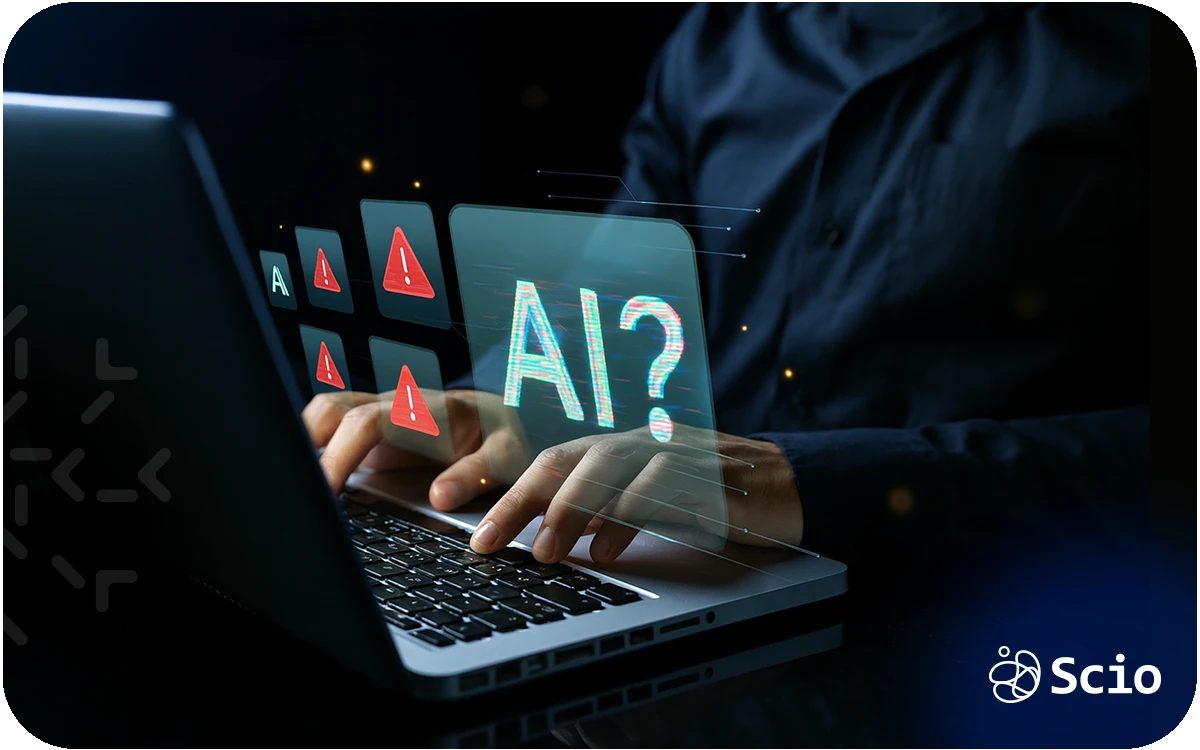
Vibe Coding Production Risks: When AI Code Breaks
Vibe coding production risks appear when AI-generated shortcuts meet real users. See why accountability never transfers from engineer to AI, no matter who wrote the code.

Distributed Team Trust: 5 Practices for Nearshore Teams
Distributed team trust is the invisible infrastructure that keeps nearshore projects moving. See 5 practices that build it intentionally across screens.

Hybrid Engineering Team: 5 Benefits of In-house + Nearshore
A hybrid engineering team blends internal stability with nearshore flexibility. See 5 benefits, the right structure, and when the model actually works.
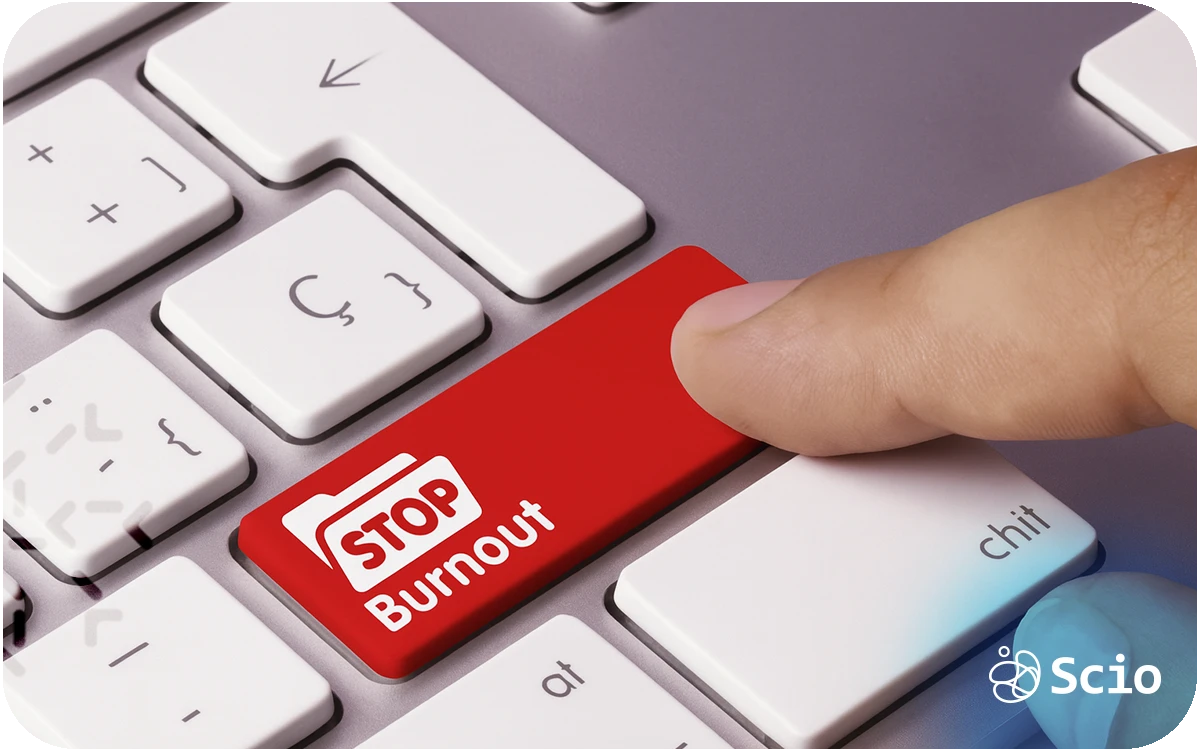
Burnout Prevention in Software Teams: 5 Human Practices
Burnout prevention in software teams requires more than wellness email. See 5 human practices that detect the signs early and protect team performance.